



















Feb 26,2026
Choose Titanfine anti-static dust removal gloves and say goodbye to the hassle of household cleaning during pet shedding season!
If you’re a pet owner, you’ve probably had this experience: Even though you only have one furry little companion, it seems like its fur is everywhere—on the sofa, on the bed, on your clothes, and even floating gently in your freshly brewed tea. Especially during certain seasons, the amount of pet hair around the house becomes simply overwhelming. Today, we’re going to talk about this topic that pet owners both love and hate: pet shedding—and how we can tackle it scientifically.

I. Furry Friends’ “Dressing-Up Season”: When Is the Shedding Worst?
In fact, shedding is a normal physiological phenomenon in pets—just as humans shed hair. However, unlike humans, pets typically experience two “shedding peaks”: spring and autumn.
1. Spring (roughly March to May): According to scientific research, pets naturally shed their fur in response to changes in temperature. This process is one of the most intense phases of shedding.
2. Autumn (roughly September to November): The opposite is true: pets need to grow a thick undercoat in advance to keep warm during winter, so they shed their relatively sparse summer coat in large quantities.
Of course, in addition to these two seasonal shedding periods, daily metabolism also causes a small amount of hair loss. If your pet experiences unusually heavy shedding outside of the shedding seasons—or even shows signs of physical discomfort—it might be worth considering factors such as diet, stress, or skin health, and you should promptly consult a veterinarian.

II. The Frustration of Flying Hair: It’s Not Just a Cleaning Issue
Most pet owners think that pet shedding is just a bit of extra hassle to clean up. But in reality, if left unchecked, it can also cause some minor annoyances. Floating pet hairs all over the house not only easily trigger respiratory discomfort in people, but can be an absolute “nightmare” for those with allergies. Mild cases may result in sneezing and runny noses, while severe cases can lead to red and swollen eyes—and in even more serious instances, difficulty breathing or even respiratory infections. Moreover, for the pets themselves, since they tend to lick their fur, swallowing excessive amounts of shed hair can easily lead to hairballs forming in their stomachs, which over time may impair digestion. Therefore, whether for the health of both humans and pets or for maintaining a clean home environment, regularly and effectively removing these shed hairs is an essential task for every pet-owning household.
III. Daily “Hair Loss Prevention” Tips: Reduce Worries at the Source
Before resorting to various tools, we can actually make some efforts at the source to reduce hair generation and shedding.
1. Brush and groom frequently: This is currently an effective and hassle-free method. During shedding season, it’s best to brush your pets daily using a pet-specific pin brush or deshedding comb. Not only does this efficiently remove large amounts of loose, impending shed hair for direct disposal, but it also boosts blood circulation in the skin, promoting healthier and shinier new growth. It truly serves as the “first line of defense” for cleanliness in households with pets.
2. Balanced nutritional support: Providing your pet with high-quality staple foods or supplements rich in omega-3 fatty acids can strengthen hair follicles from within, making the coat more resilient and reducing excessive shedding.
3. Keep the environment moist: An overly dry environment can exacerbate skin dryness and shedding in pets; using a humidifier appropriately can be helpful.
IV. The Ultimate Cleaning Helper: How to Efficiently “Clean Up the Mess”?
Although we do our best to prevent hair from flying around, cleaning remains an essential step. When it comes to tiny floating fibers that cling to sofas, bed sheets, and clothing, traditional brooms are simply not up to the task. While vacuum cleaners are powerful, they still have their limitations when it comes to reaching those hard-to-reach nooks and crannies or dealing with soft, curved surfaces.
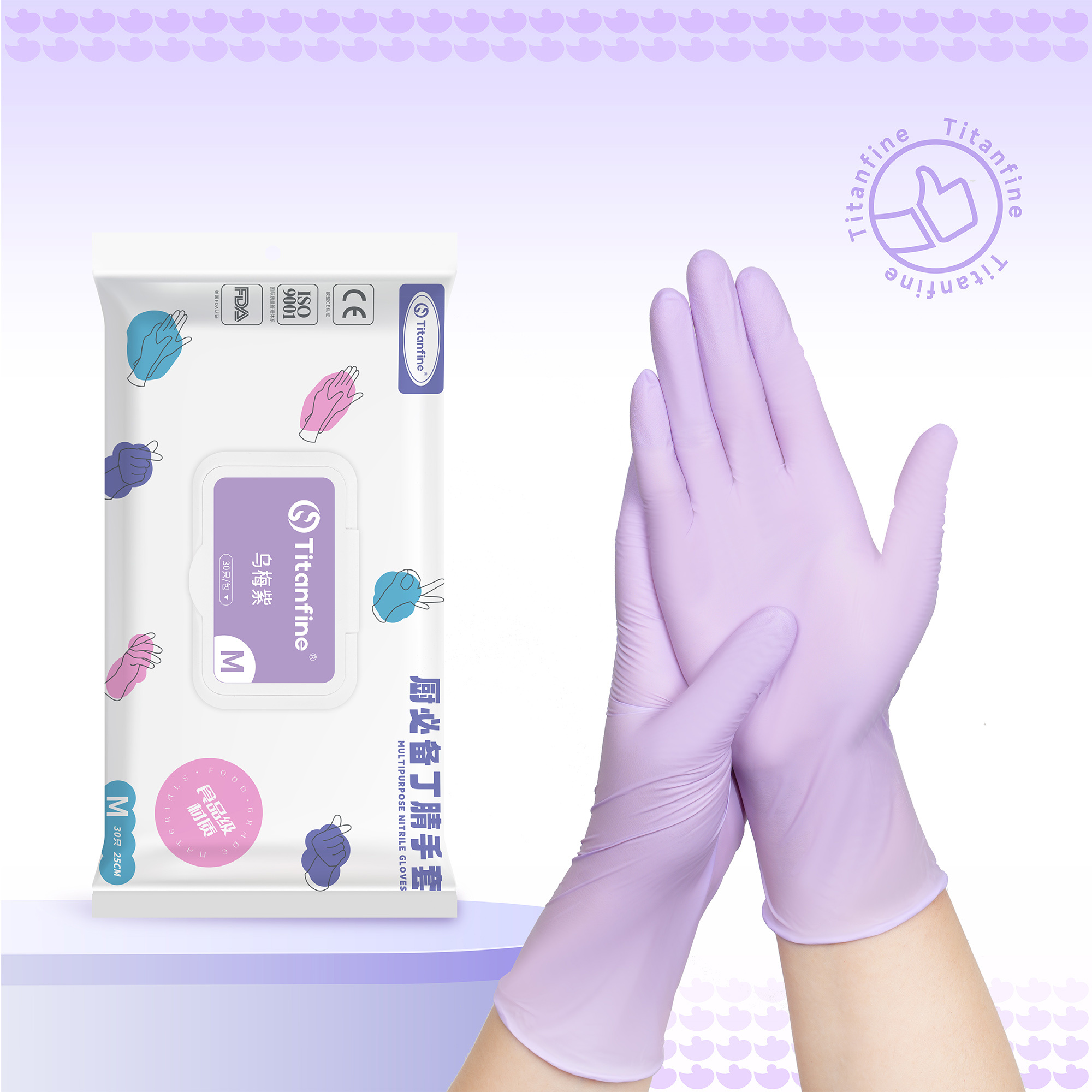
At this point, we’ll need some pet-friendly household cleaning tools that are more flexible and better tailored to our needs. For example, Add Titanfine electrostatic dust removal gloves This “magic tool” was specifically designed for scenarios like these. Its principle is simple: it uses electrostatic adsorption, acting just like a walking “hair-sucking magnet.” All you need to do is put it on like a regular pair of gloves, then use your palms or fingers to gently stroke and wipe surfaces covered in hair. Whether it’s the crevices of a sofa, the folds of cushions, or the corners of your pet’s bed—those stray hairs and dust particles that are hard to remove with a broom will instantly stick to the glove. The cleaning process is quiet, dust-free, and incredibly intuitive; watching the hair get “pulled” off is almost therapeutic!

Fighting pet shedding is a long-term battle, but it’s certainly not an insurmountable one. By understanding the patterns of their shedding and taking proactive “defensive” measures—starting with diet and daily grooming—and pairing these efforts with effective cleaning tools like the Tianfine anti-static dusting gloves from Tenzan, we can fully enjoy the warm companionship our pets bring while maintaining a fresh and comfortable home environment. Remember: during peak shedding seasons, scientific approaches and reliable tools are your best allies.
Popular Products


Popular Events


Wherever you touch
there is Titanfine

Tel: +8617732810663
Email: sales@titans-cn.com
Address: No. 311, Yuhua East Road, High-tech Zone, Shijiazhuang City, Hebei Province
Subscribe To Our Latest News
Wherever you touch
there is Titanfine
Tel: +8617732810663
Email: sales@titans-cn.com
Address: No. 311, Yuhua East Road, High-tech Zone, Shijiazhuang City, Hebei Province
Subscribe To Our Latest News


